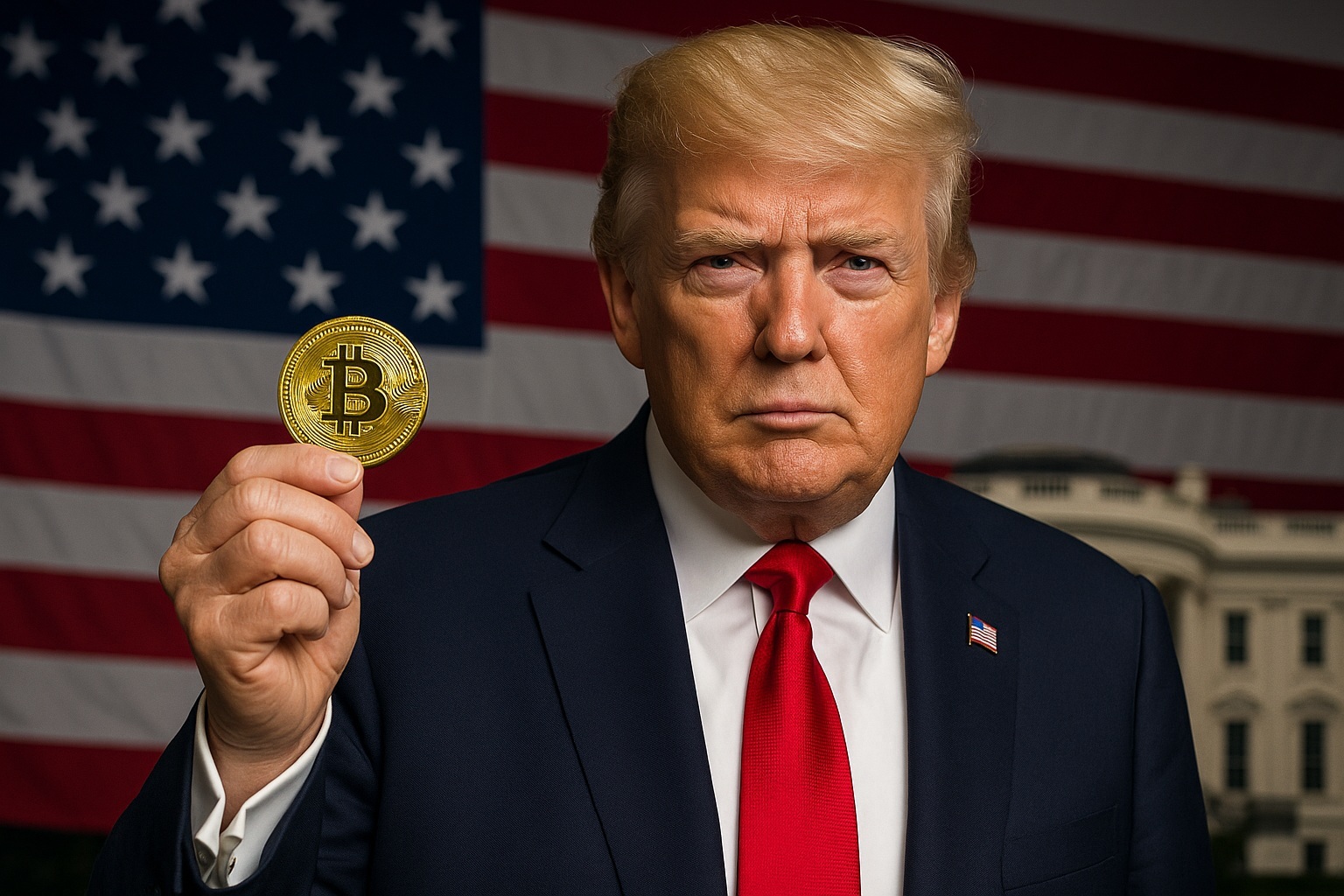
In just 100 days, President Donald Trump has radically shifted the U.S. approach to cryptocurrency. His administration has delivered executive orders, appointed crypto-friendly leaders, and signed historic legislation, while drawing both praise and controversy.
While market volatility continues, many believe the groundwork has been laid for a new era in digital assets.
Let’s break down what’s happened—and why it matters.
The U.S. Now Has a Strategic Bitcoin Reserve
On January 23rd, 2025, Trump signed an executive order to create the Presidential Working Group on Digital Asset Markets. Its mission? Deliver regulatory clarity and position the U.S. as a leader in digital finance.
Just over a month later, he expanded the plan.
On March 2nd, Trump announced the creation of a U.S. Strategic Bitcoin Reserve—a move that quickly made headlines. The reserve didn’t just include Bitcoin. It was expanded to Ethereum, XRP, Solana, and Cardano, a decision that sparked criticism from figures like Coinbase CEO Brian Armstrong, who questioned the inclusion of altcoins.
By March 6th, the reserve became official through an executive order. The assets were seized from prior enforcement actions, meaning no new coins were purchased. Still, Bitcoin fell from $91,000 to $85,000, showing how sensitive the market is to these shifts.
CBDCs? Not Under This Administration
In one of his most hardline stances, Trump banned central bank digital currencies (CBDCs) early in his term.
He framed it as a move to protect privacy, financial stability, and national sovereignty. The ban struck a chord with many in the crypto world who view CBDCs as potential tools for surveillance and centralized control.
Crypto-Friendly Leaders Take the Helm
Leadership changes have sent a clear signal: this administration wants to roll back aggressive crypto enforcement.
Trump appointed Paul Atkins as SEC Chair. Atkins wasted no time. He dismissed lawsuits against Coinbase, Ripple, Kraken, Robinhood, and Crypto.com.
Trump also named David Sacks, a known tech and crypto advocate, as “Crypto Czar”. It was one of the clearest signs that regulation would move toward industry collaboration rather than courtroom battles.
No More “Regulation by Prosecution”
In early April, the administration took another step—this time targeting regulatory overreach.
The National Cryptocurrency Enforcement Team was officially disbanded. As noted on X by industry leaders, the move brought an end to “regulation by prosecution,” which had haunted the crypto space for years.
Historic Legislation Signed Into Law
On April 10th, Trump signed the first crypto-related law in U.S. history. The repeal of the IRS DeFi broker rule removed a major hurdle for decentralized exchanges.
It marked a win for DeFi builders and was welcomed across the ecosystem.
Stablecoin Supply Could Skyrocket
Two key bills are working their way through Congress: the STABLE Act in the House and the GENIUS Act in the Senate. Both are gaining traction.
If passed, projections suggest stablecoin supply could jump from $230 billion to $2 trillion by 2028. Still, debates remain, especially around whether stablecoins can offer yield like traditional bank accounts.
The Market Reacts—And Pulls Back
Not everything has gone smoothly. Since Inauguration Day, when Bitcoin reached an all-time high of $109,114, prices have fallen to around $80,000.
The total crypto market cap has dropped from $3.36 trillion to $2.6 trillion.
Why the dip? Analysts point to Trump’s aggressive tariff policies, which have rekindled trade tensions with China, Mexico, and Canada. That uncertainty has bled into crypto markets, despite the favorable policy tone.
Pardons Spark Cheers Across the Community
In March, Trump granted pardons to Ross Ulbricht and three BitMEX cofounders—a move that was widely praised by crypto advocates. You can read the official pardon announcement here.
It strengthened Trump’s image as the “crypto president” and sent a strong signal of alignment with the community.
Big Moves in Mining and Infrastructure
On March 31st, Eric Trump and Hut 8 launched a joint venture—American Bitcoin Corp. According to the press release, the company aims to become the largest and most efficient bitcoin miner in the world.
This adds infrastructure muscle to the new national bitcoin reserve.
Altcoins and Meme Coins Go Institutional
Another signal of mainstream acceptance: more than 60 filings for altcoin and meme coin ETFs have hit regulators’ desks since March.
The first XRP-based ETF was approved and launched, and more ETFs are expected to be decided on by October 2025.
These filings show Wall Street is starting to treat crypto more like a legitimate asset class, and not just a speculative bet.
Crypto Lobbying Hits New Levels
Backing all of this is a flood of political capital.
The Fairshake PAC, which raised over $260 million in 2024, is pushing hard for continued regulatory reform. This wave of funding is helping crypto carve out space in Washington like never before.
Trump’s first 100 days in office have delivered more pro-crypto actions than any previous administration, by far.
From creating a national Bitcoin reserve and appointing industry-friendly leaders to banning CBDCs and repealing harmful laws, his approach is bold. Whether you support him or not, there’s no denying that crypto now has a louder seat at the table.
But it’s not without risk. Tariffs, geopolitical tension, and market whiplash still loom large.
For now, the U.S. is leaning hard into digital assets. The world is watching—and so should you.
Author